
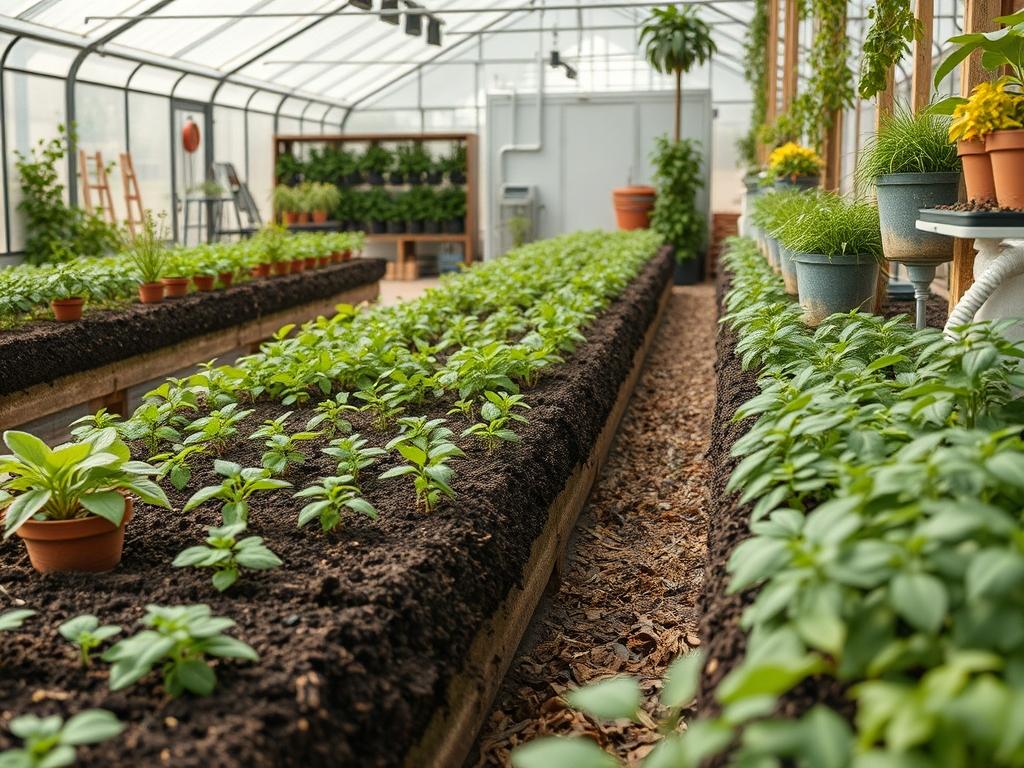
Establishing a professional landscape often requires more than just high-quality soil and efficient irrigation. It requires precision at the genetic level of the plant material itself. One of the most significant challenges in high-end garden planning involves the successful germination of hard-coated seeds, which often belong to the most resilient and aesthetically pleasing species in a designer’s palette. When a project demands the immediate curb appeal of a wildflower meadow or the structural permanence of specimen trees like the Kentucky Coffee Tree, the landscape architect must overcome physical seed dormancy. This process, known as seed scarification, is essential for ensuring that the investment in site preparation translates into a lush, functional environment. Without these methods, germination rates remain erratic, leading to patchy growth that undermines the visual balance and structural integrity of the outdoor living space.
Properly executed seed scarification methods serve as the bridge between a conceptual garden plan and its physical reality. In climates where seasonal shifts are dramatic, the timing of these methods becomes even more critical. If a landscape designer relies on natural weathering to break down a seed’s protective coat, the result is often a delay in growth that leaves exposed soil vulnerable to erosion and nutrient leach. By accelerating this process, we can ensure that ground covers and structural shrubs establish themselves quickly enough to stabilize Grading and interact correctly with the moisture levels provided by the Irrigation system. This proactive approach turns a potential landscaping failure into a predictable, high-performance ecosystem that meets both aesthetic and functional goals.
Landscape Design Principles
In the realm of professional landscape architecture, every element must contribute to a cohesive whole. Symmetry and focal points are the two primary pillars that guide a viewer’s eye through a garden. When using hard-coated seeds like Baptisia australis or Lupinus perennis, the designer must plan for uniform germination. If the scarification process is inconsistent, the resulting growth will be asymmetrical, leaving gaps in what should be a dense, repeating pattern of texture and color. Achieving visual balance requires that plants on the left side of a Walkway mirror the growth rate of those on the right. Therefore, standardized scarification ensures that the biological timeline of the plants aligns with the design’s intent.
Elevation layers and focal points also benefit from precision seeding. Using taller, hard-coated species to create a background layer requires a high density of success. For instance, creating a specimen grouping of Cercis canadensis requires the architect to account for the physical barrier of the seed coat, which prevents water from reaching the embryo. By managing this at the planning stage, one can ensure that the focal points reach their intended height in sync with the shorter, foreground elements. Furthermore, the integration of these plants must account for the proximity of Retaining Walls and other hardscaping features. Deep-rooted species often used for erosion control require specific scarification to ensure they take hold before the first heavy rains of the season challenge the site’s Drainage capacity.
Plant and Material Selection
| Plant Type | Sun Exposure | Soil Needs | Water Demand | Growth Speed | Maintenance Level |
| :— | :— | :— | :— | :— | :— |
| Baptisia australis | Full Sun | Well-Drained | Low | Moderate | Low |
| Gleditsia triacanthos | Full Sun/Part Shade | Loamy/Clay | Medium | Fast | Moderate |
| Lupinus perennis | Full Sun | Sandy/Acidic | Moderate | Fast | Moderate |
| Gymnocladus dioicus | Full Sun | Rich/Moist | Moderate | Slow | Low |
| Ipomoea alba | Full Sun | Moist/Rich | High | Very Fast | High |
| Thermopsis villosa | Full Sun/Part Shade | Average | Low | Moderate | Low |
Implementation Strategy
The implementation of seed scarification begins long before the first shovel hits the ground. First, the landscape architect must categorize seeds based on their specific mechanical or chemical requirements. Mechanical scarification is the most common method for medium-scale residential projects. Using 80-grit sandpaper or a Small Metal File, the project manager manually thins the seed coat. The goal is to abrade the surface until a slight color change is visible, which indicates the protective layer has been breached without damaging the internal embryo. For larger volumes of seed, such as those used in a 5,000 square foot meadow, seeds are often tumbled in a drum lined with abrasive material.
Thermal scarification is another highly effective technique, particularly for woody species. This involves soaking the seeds in 180-degree water and allowing them to sit for 12 to 24 hours as the liquid cools. This simulates the natural heat cycles that would occur over several seasons, allowing the seed to swell as it imbibes water. Once the seeds have visibly enlarged, they must be sown immediately into a prepared bed. This bed should feature a Mulch Depth of no more than 2 inches to allow for adequate sunlight penetration while retaining enough moisture to prevent the newly hydrated seeds from drying out.
Finally, the transition to the field involves careful Grading and Edging. The soil must be firm but not compacted, allowing the delicate radicle of the scarified seed to penetrate the earth. If the site has a steep slope, a light application of straw or an erosion control blanket may be necessary to protect the seeds from being washed away before they can anchor themselves. Properly spaced sowing, guided by the landscape’s focal points and symmetry, ensures that as the plants mature, they form the intended canopy and sub-canopy layers.
Common Landscaping Failures
One of the most frequent failures in garden planning is the neglect of site-specific Drainage. When scarified seeds are planted in areas where water tends to pool, the increased permeability of the seed coat makes the embryo highly susceptible to rot. Unlike untreated seeds that can wait out a wet season, a scarified seed has an activated metabolism. If the soil remains saturated due to poor Grading or a lack of subsurface drainage pipes, the germination rate will drop to nearly zero. This results in a significant loss of both time and expensive plant material.
Another common error is soil compaction from heavy machinery used during Hardscaping installation. If the ground is packed too tightly, the young roots of plants like the Honey Locust cannot find the oxygen or physical space needed to expand. This often leads to root overcrowding in the few loose pockets of soil available, resulting in stunted growth and a lack of vigor. Furthermore, many designers fail to account for the impact of Irrigation timing. Over-watering immediately after sowing can move the seeds from their intended locations, ruining the symmetry of the design. Conversely, failing to keep the top inch of soil consistently moist during the first ten days post-scarification will cause the germinating seeds to dehydrate and die.
Seasonal Maintenance
Managing a landscape established from scarified seeds requires a disciplined seasonal approach. In Spring, the focus is on monitoring the initial emergence. This is the time to check the Irrigation zones to ensure that the delicate seedlings are receiving uniform coverage. If some areas appear dry, manual supplementation may be required to protect the initial investment. Any gaps in the growth pattern should be addressed by re-seeding immediately with a fresh batch of scarified material to maintain the visual balance of the site.
As Summer arrives, the emphasis shifts to moisture retention and weed suppression. A fresh layer of Bark Mulch or Wood Chips should be applied, taking care not to bury the crowns of the young plants. This layer helps regulate soil temperature, which is vital for species that were thermal-scarched. In Autumn, the landscape architect should evaluate the structural development of woody plants. Pruning may be necessary to encourage the desired shape and to ensure that the plants do not encroach on Walkways or nearby Retaining Walls. Finally, Winter maintenance involves protecting the established root zones from frost heave. Adding a slightly thicker layer of mulch around the base of specimen trees will insulate the soil and prevent the expansion and contraction cycles that can push young plants out of the ground.
Professional Landscaping FAQ
What is the fastest way to scarify large quantities of seed?
Mechanical tumbling is the most efficient method. By placing seeds in a rotating drum with abrasive media like Coarse Sand, a landscape professional can process thousands of seeds simultaneously, ensuring uniform coat thinning for large-scale installation projects.
Can I scarify seeds too early before planting?
Yes. Once the seed coat is breached, the embryo becomes vulnerable to environmental fluctuations. Scarification should ideally occur within 24 to 48 hours of sowing to ensure that the internal moisture levels remain optimal for immediate germination and root development.
Does mulch depth affect the success of scarified seeds?
Excessive Mulch Depth can suffocate newly germinated seeds. For most hard-coated species, a layer of 1 to 2 inches is sufficient to retain moisture without creating a physical barrier that the fragile primary shoot cannot penetrate.
How does soil compaction affect scarified seed growth?
Compacted soil lacks the pore space necessary for gas exchange and water movement. This is particularly detrimental to scarified seeds, which have a high oxygen demand during their rapid germination phase. Always aerate the soil before sowing to ensure success.
Will scarification help with old or aged seeds?
While scarification improves water uptake, it cannot restore viability to dead embryos. Always perform a float test before processing old seeds; those that sink are generally viable, while those that float should be discarded to save time and resources.