
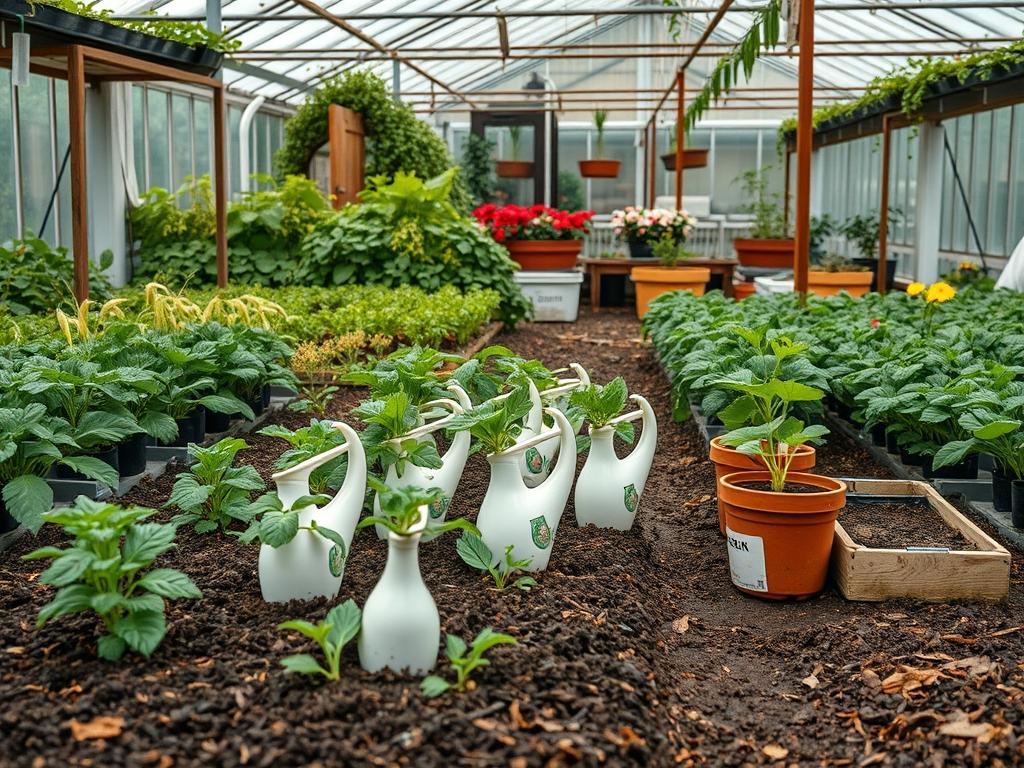
Landscape architects often face a significant hurdle when designing expansive perennial borders or restoring native meadows. Sourcing high volumes of nursery-grown plants is not only cost-prohibitive but can also introduce specimens that are poorly acclimated to a specific microsite. Winter sowing in repurposed HDPE 2 plastic milk jugs offers a sophisticated solution to this logistics challenge. This method utilizes the natural cycle of freezing and thawing to trigger germination in hardy species, effectively creating a decentralized, low-energy nursery right on the project site. By harnessing the logic of cold stratification, a designer can produce hundreds of Native Perennials that possess superior root vigor and drought resistance compared to greenhouse-forced alternatives. This technique is particularly valuable for residential projects where maximizing curb appeal requires dense, layered plantings that would otherwise exceed a standard softscape budget.
In professional garden planning, the goal is to bridge the gap between architectural structure and ecological function. Winter sowing allows for the precise cultivation of species that might not be readily available at local retail centers, such as specific genotypes of Asclepias or rare Ornamental Grasses. When these containers are placed outdoors in mid-winter, they act as miniature greenhouses, protecting seeds from avian predation and heavy erosion while allowing moisture to enter through the open spout. This process ensures that by the time the spring planting window opens, the landscape professional has a ready supply of “plugs” that are perfectly synchronized with the local climate and soil temperature. Integrating this method into a multi-year landscape master plan ensures a cohesive, sustainable aesthetic that matures gracefully without the shock often associated with broad-scale transplanting from climate-controlled environments.
Landscape Design Principles
Successful landscape design relies on the intentional application of symmetry, focal points, and elevation layers to guide the eye through the outdoor environment. When planning a garden that utilizes winter-sown perennials, one must consider the eventual rhythm of the planting bed. Massing plants in groups of three, five, or seven creates a sense of purposeful abundance rather than a scattered, haphazard appearance. For instance, placing taller species like Eupatorium fistulosum (Joe Pye Weed) at the rear of a border provides a structural backdrop, while mid-height species like Echinacea offer a mid-ground focal point that draws the viewer deeper into the space.
Elevation layers are critical for a professional finish. By utilizing the varying heights of sowed species, a designer can hide the “leggy” stems of larger shrubs or mask the transition to hardscape elements like retaining walls and flagstone walkways. Irrigation planning should also happen parallel to seed selection; grouping plants with similar hydro-zones ensures that the finished landscape remains water-efficient. A well-designed garden balances these biological needs with visual weight, ensuring that no single area feels overly crowded or prematurely sparse. This structural discipline, combined with the organic texture of native species, results in a landscape that feels both curated and naturally evolved.
Plant and Material Selection
Selecting the right plant material is the cornerstone of any sustainable landscape. The following table provides a blueprint for species that respond exceptionally well to the cold stratification provided by winter sowing in milk jugs.
| Plant Type | Sun Exposure | Soil Needs | Water Demand | Growth Speed | Maintenance |
| :— | :— | :— | :— | :— | :— |
| Echinacea purpurea | Full Sun | Well-drained | Low to Medium | Moderate | Low |
| Asclepias tuberosa | Full Sun | Sandy/Rocky | Low | Moderate | Low |
| Monarda fistulosa | Full to Part Sun | Rich Loam | Medium | Fast | Medium |
| Liatris spicata | Full Sun | Moist Loam | Medium | Moderate | Low |
| Rudbeckia fulgida | Full to Part Sun | Clay/Loam | Medium | Fast | Low |
| Baptisia australis | Full Sun | Deep/Friable | Low (once set) | Slow | Low |
For the sowing process itself, the materials must be durable enough to withstand winter gales. You will require translucent milk jugs, heavy-duty duct tape, industrial permanent markers, and a high-quality soilless potting mix. Avoid using standard garden soil as it can be too dense, leading to poor drainage and potential root rot in the confined space of a jug.
Implementation Strategy
The transition from a plastic jug to a finished garden layout requires a strategic approach to site preparation. Before any planting begins, the area must undergo proper grading to ensure that moisture moves away from the home foundation and toward designated drainage zones or rain gardens. If the soil is heavily compacted, a professional-grade aerator or a broadfork should be used to incorporate organic matter without destroying the soil structure.
Once the site is prepped, start the sowing process by cutting your milk jugs horizontally about 4 inches from the base, leaving a small “hinge” near the handle. Puncture at least six half-inch drainage holes in the bottom to prevent waterlogging. Fill the base with 3 to 4 inches of pre-moistened potting mix, sow your seeds at the recommended depth, and seal the jug with duct tape. Place these jugs in an area where they are exposed to rain and snow but protected from high winds. When the seedlings develop their second set of true leaves in late spring, they can be “hardened off” by opening the lids during the day. Finally, use a trowel to transplant these robust specimens into the garden, applying a 2-inch layer of hardwood mulch around the base to suppress weeds and retain moisture.
Common Landscaping Failures
One of the most frequent mistakes in both winter sowing and general landscaping is the mismanagement of drainage. If a milk jug lacks sufficient bottom perforations, the seeds will literally drown in an anaerobic environment. Similarly, in the larger landscape, failing to account for soil compaction can lead to “the bathtub effect,” where water sits in the planting hole and rots the roots of new perennials.
Another common failure involves improper spacing. It is tempting to plant winter-sown seedlings close together to achieve an “instant” look, but this leads to root overcrowding and decreased air circulation, which invites powdery mildew. Professional documentation for each species should be consulted to ensure that 18 to 24 inches of space is maintained between mature-sized plants. Furthermore, neglecting to label the jugs leads to “mystery gardens” where the designer cannot distinguish between a desired Native Perennial and a common weed, often resulting in the accidental removal of valuable stock.
Seasonal Maintenance
A professional landscape requires year-round management to maintain its ecological health and aesthetic value.
- Spring: This is the most active period. Monitor winter-sown jugs for germination. As temperatures rise, increase the frequency of inspection to ensure the soil does not dry out. Once transplanted, provide a light application of organic fertilizer to encourage root establishment.
- Summer: Focus on irrigation efficiency. Use soaker hoses or drip irrigation at the base of the plants rather than overhead watering to prevent foliage disease. Deadhead spent blooms on species like Rudbeckia to encourage a second flush of flowers and prevent excessive self-seeding.
- Autumn: Leave the seed heads of plants like Echinacea for winter bird forage. This is also the ideal time to add another layer of mulch to insulate the root zones against the coming freeze.
- Winter: Clean and sanitize your milk jugs for the next round of sowing. Study the “winter interest” of the landscape, noting where structural changes are needed once the snow melts.
Professional Landscaping FAQ
How many drainage holes are necessary for a standard jug?
For a standard 1-gallon jug, use a soldering iron or utility knife to create at least six holes of approximately 0.5 inches in diameter. This prevents soil saturation during heavy spring rains, which is the primary cause of seedling mortality.
Can I use clear water bottles instead of milk jugs?
Clear plastic can heat up too rapidly, potentially “cooking” the seeds during a mid-winter thaw. Translucent white jugs, like those used for milk or distilled water, provide the ideal balance of light penetration and thermal insulation for sensitive Hardy Perennials.
When is the best time to start winter sowing?
In many North American climates, the window opens between Winter Solstice and late February. Species requiring long periods of cold stratification, such as Milkweed, should be placed outdoors by January to ensure the biological triggers are met for spring.
Do winter-sown plants need a transitional greenhouse?
No, the milk jug itself acts as the greenhouse. Because these plants germinate in the natural elements, they are significantly more rugged than those grown indoors under lights. They typically require only a few days of lid-venting before they are ready for the ground.
How do you prevent jugs from blowing away?
Group the containers together in a wooden crate or a designated “nursery area” bordered by bricks or heavy stones. This communal placement creates a microclimate that shares heat and provides enough collective weight to resist moderate wind gusts.