
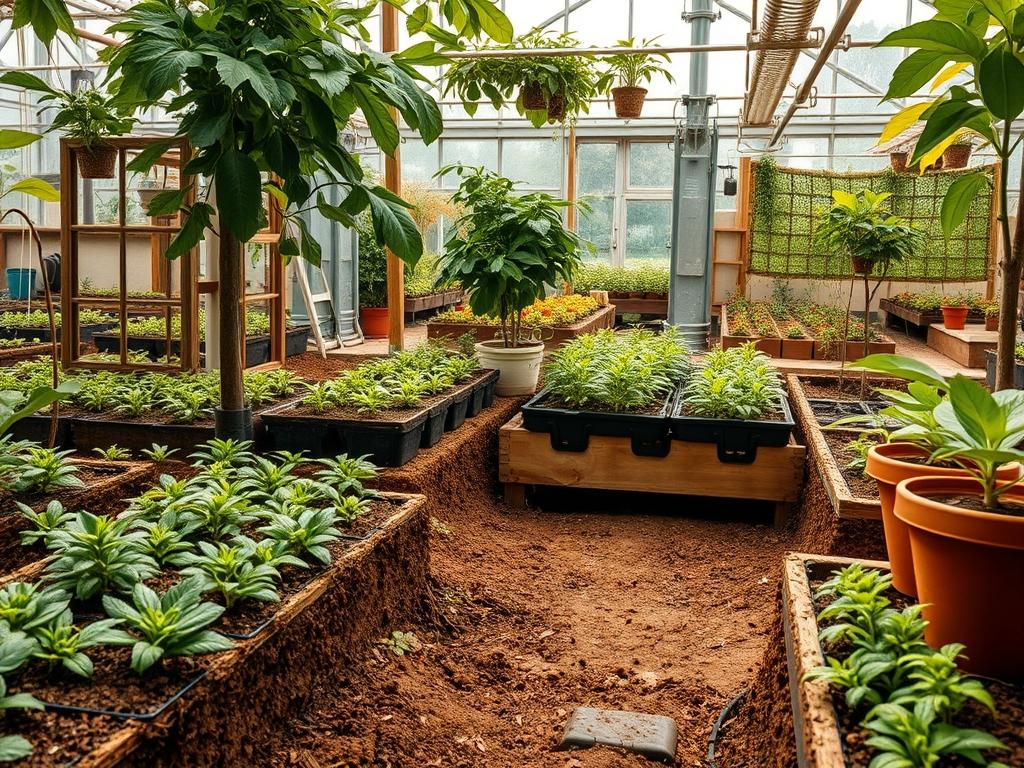
The journey of a high performing landscape often begins months before the first shovel hits the dirt. Professional designers understand that architectural beauty in the garden is a multi stage process involving both controlled environments and the harsh realities of the local climate. For many enthusiasts and designers alike, the success of a premium outdoor space relies on the health of the specimens introduced during the initial planting phase. This is where the transition from a controlled Indoor Grow Light Setup to the permanent topography of your property becomes critical. To achieve peak curb appeal, one must look beyond the aesthetics of a flower and consider the structural integrity of the entire environment. Every property presents unique challenges, from steep elevation changes that invite erosion to dense clay soils that trap moisture and drown delicate root systems. A well designed landscape does more than just look pretty; it manages stormwater, increases property value, and creates a functional extension of the home. By synchronizing the timing of your indoor propagation with the warming cycles of the earth, you ensure that your botanical investments are robust enough to withstand the wind, pests, and thermal fluctuations of the open air.
Landscape Design Principles
Successful landscape architecture thrives on a balance between the organic and the structural. Symmetry plays a fundamental role in directing the eye, particularly in formal residential designs. You might use a pair of Emerald Green Arborvitae to frame an entryway, creating a sense of arrival. Alternatively, asymmetrical balance can be used in more modern, naturalistic settings to mimic the randomness of a forest edge while still maintaining a cohesive visual weight. Focal points are another essential element. Whether it is a specimen tree like a Japanese Maple or a structural feature like a Fieldstone Retaining Wall, Every garden needs an anchor. This anchor prevents the space from looking cluttered and gives the viewer a place to rest their gaze.
Elevation layers are perhaps the most neglected aspect of amateur design. A professional consultant views the garden in tiers: the canopy, the understory, the shrub layer, and the groundcover. By stacking these layers, you maximize visual interest and ecological density. This layering also aids in irrigation planning. By grouping plants with similar water needs, a practice known as hydrozoning, you can design an efficient Drip Irrigation System that delivers moisture exactly where it is needed without waste. Walkways should be wide enough for two people to walk side by side, typically requiring a width of at least 48 inches. These paths serve as the circulatory system of the landscape, guiding movement and defining the boundaries between different garden rooms. When the primary structure is set, the visual balance is achieved by contrasting textures, such as the fine needles of a Juniper against the broad, glossy leaves of a Southern Magnolia.
Plant and Material Selection
Selecting the right materials and life forms is a technical exercise in compatibility. The following table outlines standard selections for a temperate landscape design that balances durability with aesthetic impact.
| Plant Type | Sun Exposure | Soil Needs | Water Demand | Growth Speed | Maintenance Level |
| :— | :— | :— | :— | :— | :— |
| Dwarf Boxwood | Full Sun to Part Shade | Well Drained Loam | Moderate | Slow | Low |
| Purple Coneflower | Full Sun | Rocky or Lean Soil | Low | Medium | Very Low |
| Hostas | Full Shade | Organic Rich Soil | High | Medium | Moderate |
| Blue Star Creeper | Full Sun to Part Shade | Moist Soil | High | Fast | Moderate |
| Switchgrass | Full Sun | Adaptable/Dry | Low | Fast | Low |
| Hydrangea Macrophylla | Part Shade | Consistently Moist | High | Medium | High |
Implementation Strategy
The transition from a conceptual drawing to a physical layout requires a systematic approach to site preparation. First, the area must be cleared of existing debris and invasive species. Grading is the most critical step in this phase. The ground must be sloped away from the foundation of the home at a minimum of a two percent grade to ensure that rainwater does not pool against the basement or crawlspace. Once the rough grade is established, designers use Marking Paint to outline the beds and walkways. If your project includes hardscaping, such as a Paver Patio or a Flagstone Path, the excavation for the base material must occur before any planting. A standard base for a pedestrian walkway requires at least 4 inches of compacted Crushed Stone topped with 1 inch of bedding sand.
After the hardscape is set, the focus shifts to the soil. Amending the soil with organic compost is vital, especially if the site has suffered from construction compaction. When moving plants from your Indoor Grow Light Setup to the garden, you must perform a process called hardening off. This involves exposing the seedlings to outdoor conditions for increasing intervals over 7 to 10 days. When it is time to plant, dig holes twice as wide as the root ball but no deeper. Plant crowns should sit slightly above the soil line to prevent rot. Edging provides the professional finish that separates the lawn from the mulch beds. A clean, 4-inch deep spade edge or a permanent Steel Edging strip creates a crisp line that defines the space. Finally, apply a layer of Hardwood Mulch at a 3-inch depth. This mulch layer suppresses weeds, regulates soil temperature, and retains the moisture necessary for new plants to establish their root systems.
Common Landscaping Failures
The most frequent error in residential landscaping is the failure to account for the mature size of the plant material. Homeowners often plant a Leyland Cypress too close to the house, only to find that it obstructs windows and outgrows its footprint within five years. Root overcrowding leads to stunted growth and increased susceptibility to disease. Another major failure involves drainage mistakes. Simply ignoring the way water moves across a site can lead to soil erosion or “wet feet” for plants that require high oxygen levels in the soil. If a site sits at the bottom of a hill, a French Drain or a Dry Creek Bed should be integrated into the design to manage the volume of runoff.
Soil compaction is another silent killer of landscapes. During construction, heavy machinery compresses the earth, destroying the pore spaces that hold air and water. If you try to plant directly into compacted clay, the roots will likely circle the hole as if it were a pot, eventually girdling and killing the plant. Irrigation inefficiencies also plague many gardens. Overwatering is just as damaging as underwatering. Using a Soil Moisture Meter can help you determine the actual needs of the garden rather than relying on a static timer. Finally, many people fail to use the correct mulch. Using unaged wood chips can actually strip nitrogen from the soil as they decompose, starving your plants of the nutrients they need for foliage development.
Seasonal Maintenance
Landscape management is an ongoing commitment that changes with the tilt of the earth. In the spring, the priority is cleanup and preparation. This is the time to prune dead wood from Deciduous Shrubs, apply a pre-emergent weed control, and refresh the mulch layers. It is also the window to transplant any hardy perennials that have outgrown their current locations. As summer arrives, the focus shifts to water management and deadheading. Removing spent blooms from flowers like Salvia or Daylilies encourages a second flush of color. During periods of extreme heat, irrigation should be performed in the early morning hours, around 5:00 AM, to minimize evaporation and prevent fungal growth on the leaves.
Autumn is the season for planting and soil building. The soil is still warm, but the air is cooler, which creates the perfect conditions for root development without the stress of high transpiration. You should also aerate the lawn and apply a high phosphorus starter fertilizer to strengthen the turf for winter. As winter settles in, maintenance becomes protective. Wrap the trunks of young Fruit Trees with Tree Guard to prevent sunscald and damage from hungry rodents. If you have an automated irrigation system, you must blow out the lines with an Air Compressor to prevent the pipes from bursting during a hard freeze. Winter is also the best time for structural pruning of large Oak or Maple trees, as the absence of leaves allows you to see the branching habit clearly.
Professional Landscaping FAQ
How do I choose the right lights for my indoor seedlings?
Select Full Spectrum LED or T5 Fluorescent fixtures. Position them 2 to 4 inches above the seedlings. Ensure the lights run for 14 to 16 hours daily to prevent leggy growth and ensure your plants are ready for transplanting.
What is the best way to improve heavy clay soil?
Incorporate 3 to 4 inches of organic compost into the top 8 inches of soil. Avoid adding sand, as it can create a concrete-like consistency. Use a Broadfork to aerate the soil without fully overturning the delicate microbial layers.
How often should I water a newly installed landscape?
New plants require daily watering for the first two weeks. Afterward, transition to deep watering two to three times per week. This encourages roots to grow deeper into the soil, making the landscape more drought tolerant over the long term.
Why are my plants turning yellow after transplanting?
This is often a sign of Transplant Shock or nitrogen deficiency. Ensure you hardened off the plants properly. Check for overwatering, which can suffocate roots. A mild dose of Liquid Seaweed Fertilizer can help the plant recover its vigor.
When is the best time to install hardscaping features?
Late autumn or early spring is ideal for installing Retaining Walls and Patios. The ground is generally firmer, and you avoid the peak growing season, meaning there is less risk of damaging sensitive ornamental plants during the construction process.